
Chat with Ava - Your AI Business Consultant

Hi I'm Ava, your AI guide to supercharging your business!
Whether you're already running a business or dreaming of starting one, I'm here to help turn your vision into reality using AI powered freelancers. Share your business goals, and together, we'll create a project that our talented freelancers can bid on. Let's make your vision a reality!
I have a business
I'm starting a business
Something went wrong while sending the conversation to your email. Please try again later.
You can only save your conversation once per hour. Please try again later.
Your conversation is too short. Keep chatting with Ava to enable saving.

Hire expert
Data Warehouse Experts
for any job
Millions of people use Freelancer.com to turn their ideas into reality.
Trusted by leading brands and startups


Hire Data Warehouse Experts

£10 per hour

£30 per hour

£50 per hour

£80 per hour

$50 per hour

£8 per hour


£50 per hour

$20 per hour
Clients rate our Data Warehouse Experts
4.78 out of 5
from 24,429 reviews
How to hire a great freelance Data Warehouse Expert
We live in a world where almost everything is computer-operated. After we left the old days behind and technology took over, everything became digitalized. We said goodbye to piles upon piles of paper and the countless information that we stored in the office drawer. Today, big as well as small companies have to rely on different software to accomplish the intricate task of compiling and securing all data.
Data Warehouse is a computer system, which is mainly used to report and analyze data. It is also considered as a fundamental component of business intelligence. Data Warehouse also plays a role in storing current and historical data and can be utilized to create analytical reports for workers at an enterprise. The types of reports can range from annual and quarterly comparisons and trends to detailed daily sales analysis.
It would be safe to say that Data Warehousing is paramount in the 21st century that we live in. The concept of the Data Warehouse was born in the late 1980s, when IBM researchers Barry Devlin and Paul Murphy first introduced the "business data warehouse”. Technology has come a long way since then, and nowadays online businesses cannot function well or achieve the success they want without an expert, who is able to stay on top of all the intricate work. That is why hiring a Data Warehouse expert is a priceless investment.
The following are just a few of the computer skills that an expert can offer:
Freelancer.com is a great platform where you can find reliable experts in this field, who will work hard and do their best to contribute to a project or business. Freelancer.com was founded in 2009 and has been voted the Best Employment Website in 2015 at the 19th Annual Webby Awards. Today, its headquarters sits in Australia, and there are several other offices in Vancouver, London, Buenos Aires, Manila, Southern California and Jakarta.
Hiring a professional to overlook all the meticulous details of Data Warehousing is paramount for a company and an employer, who is intent on running a successful business. Freelancer.com offers a plethora of fully-trained and experienced experts from all over the world, who can provide hands-on assistance with digging deep through data sources, making sure everything is in check.
Another great benefit of this convenient hiring platform is that the employer does not have to pay until the services are completely satisfactory. So, without further to do, get online and find your next Data Warehouse expert, who can assist you in your endeavors and make sure your data is secure.

Freelancer Enterprise
Company budget? Get more done for less
Use our workforce of 50 million to help your business achieve more.

Freelancer API
50 million professionals on demand
Why hire people when you can simply integrate our talented cloud workforce instead?
How hiring a Data Warehouse Expert works

1. Post a job

2. Choose freelancers

3. Track progress

4. Pay safely
So what are you waiting for?
Post a project today and get bids from talented freelancers
Showcased work from our freelancers
Get some inspiration from Data Warehousing projects

Discover More
Website Design.
$540 USD in 7 days.
Discover More
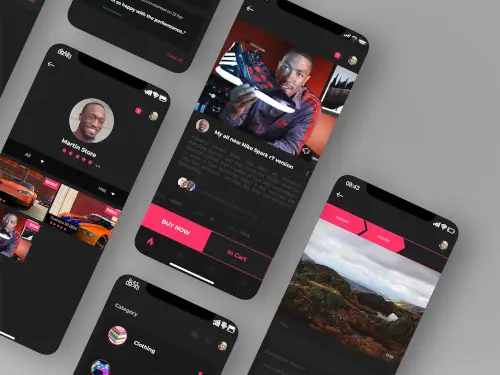
App Design.
$100 USD in 1 day.

Discover More
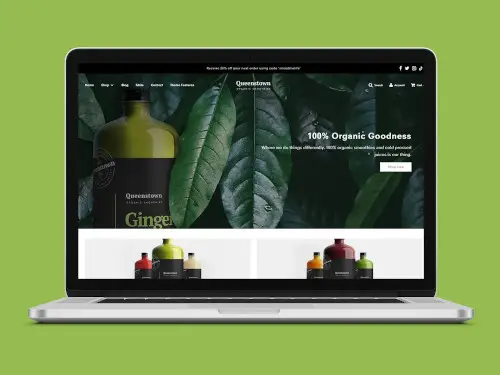
Website.
$430 USD in 1 day.

Discover More
Website Design.
$140 USD in 13 days.

Discover More
App Design.
$200 USD in 19 days.
Discover More
Website.
$150 USD in 13 days.

Discover More
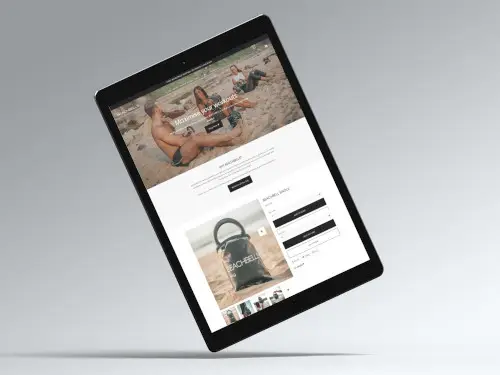
Website.
$240 USD in 1 day.
Discover More
Website.
$100 USD in 1 day.
As featured in


The world's largest marketplace
Millions of users, from small businesses to large enterprises, entrepreneurs to startups, use Freelancer to turn their ideas into reality.
73.1M
73.1M
Registered Users
23.7M
23.7M
Total Jobs Posted
Looking for freelancers for other types of work?
Thanks! We’ve emailed you a link to claim your free credit.
Something went wrong while sending your email. Please try again.



Copy to clipboard failed, please try again after adjusting your permissions.
Copied to clipboard.
Loading preview
Permission granted for Geolocation.
Your login session has expired and you have been logged out. Please log in again.